Amber vs White Off-Road Lights: Which Cuts Dust, Fog and Snow Better?
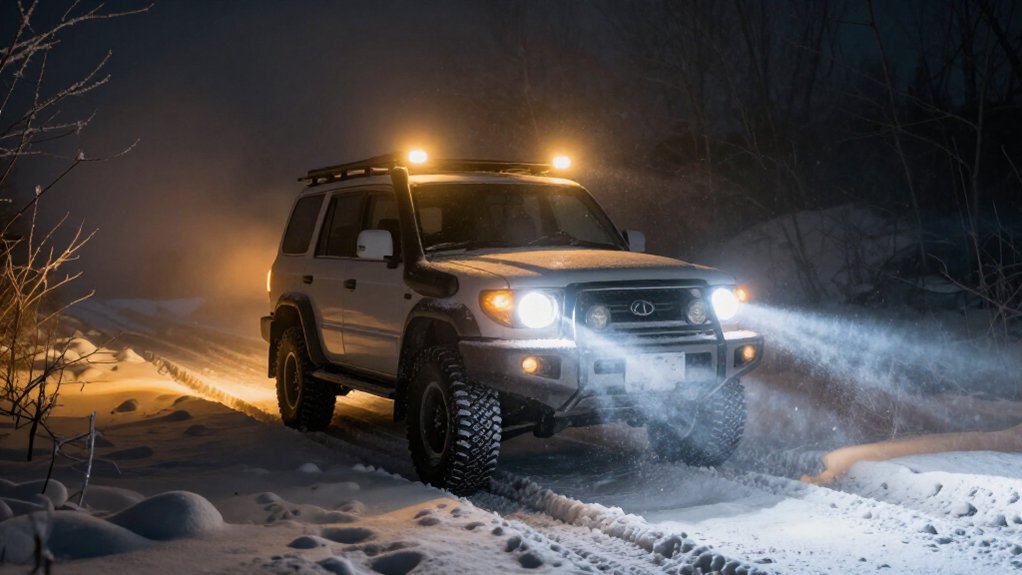
Amber usually cuts backscatter better than white in dust, fog, and falling snow. Its longer wavelengths can reduce glare and preserve nearby contrast, while white may reflect from particles and wash out detail. Choose amber when airborne debris limits visibility; switch to white in clear air for stronger forward reach and more natural color.
Keep your speed within your sight distance, and aim lights safely.
The sections below explain switching, connector needs, distance trade-offs, and legal checks.
Dust, Fog, and Snow Performance
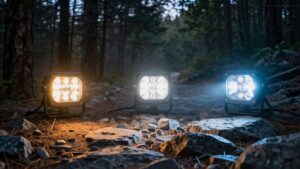
In dust, fog, and falling snow, amber off-road lights (roughly 2700K–4000K) usually provide more usable visibility because their longer wavelengths scatter less through airborne particles and moisture.
| Conditions | Your choice |
|---|---|
| Fog or heavy snow | Amber reduces reflected glare |
| Dusty trails | Amber reveals terrain changes |
Fog or heavy snow: white beams can form a reflected wall, reducing contrast and hiding obstacles. On dusty trails, amber helps you spot terrain changes farther ahead.
Choose amber when particulates limit sight; use white in clear air for range and brightness. In mixed conditions, switch by visibility. Slow down, increase following distance, and aim lights to avoid blinding drivers. Maintain safe speed, distance.
Amber-White Light Wavelengths
Amber and white light differ mainly in wavelength: amber typically runs 2700K–4000K, while white off-road LEDs are commonly 4300K–6000K. Longer-wavelength amber generally scatters less as it passes through moisture, fog, snow, and airborne dust. When you drive in these conditions, less light may reflect from droplets or ice crystals back toward your eyes, reducing veiling glare.
White light’s shorter wavelengths can scatter more, so a bright beam may wash out nearby detail even when its rated output matches an amber lamp.
That doesn’t make amber glare-proof or guarantee a clear view: beam pattern, mounting height, distance, and weather still matter. Choose a properly aimed amber lamp when you need a beam that holds contrast in suspended particles, and slow down whenever visibility drops. Keep your regular driving lights available for clear conditions, and avoid aiming any auxiliary beam directly into oncoming traffic.
Color Rendering on Trails
On a clear trail, white light, typically around 4300K–6000K, usually renders rock and soil colors more naturally, helping you read terrain contrast. In clean air, that color accuracy can help you distinguish loose gravel, dark ruts, and changes in surface texture before you reach them.
But natural color isn’t the same as reliable visibility. In dust, fog, or snow, white light can reflect off droplets and crystals, washing out surface detail and creating glare.
Amber light, generally around 2700K–4000K, often preserves usable contrast in those conditions, making edges, ruts, and obstacles easier to separate from the background. Judge a beam by how clearly you can identify hazards, not by apparent brightness alone. Keep your speed within the distance you can see and stop safely.
One-Touch Mode Switching
Because visibility can change quickly, one-touch mode switching lets you swap colors without fumbling for separate controls.
A shared button helps you respond to changing air conditions while keeping your attention on the trail. Use this sequence:
- Tap amber when dust, fog, or snow hangs in the air; its longer wavelengths scatter less and can reduce glare versus 5000–6000K white.
- Tap white when the air clears to gain forward reach for open terrain and visibility; white LEDs commonly run around 4300–6000K.
- Configure the control to change color only, not beam aim, so your alignment stays consistent as you adjust contrast.
Don’t assume amber suits every situation: clear terrain often calls for white’s range. Make switches, and slow down whenever visibility limits your view.
Connector Type Requirements
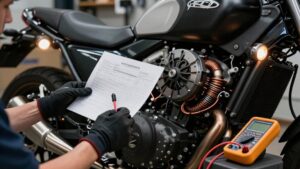
Before choosing amber/white pod lights, check that their connector type matches your vehicle’s harness pin layout and gender, so they plug in securely without rewiring.
Many off-road LED pods use automotive-style plugs, but verify the exact pin arrangement and connector gender before installation. A mismatch can create a loose contact, unreliable operation, or an incorrect connection. Plan cable length and routing for each mounting position, such as an A-pillar, bumper, or roof rack; keep wires unstressed and clear of moving parts and heat.
For switchable amber/white pods, confirm the plug carries every required control and ground connection for both channels, not power alone. Choose a fully sealed automotive connector with a secure latch to resist dust and water. Check the vehicle and light manufacturer’s wiring diagrams, then test each mode and connection before driving in low visibility conditions. A correctly matched interface helps prevent moisture-related flicker and preserves dependable lighting when visibility drops.
Replacing Rock-Damaged Lens Covers
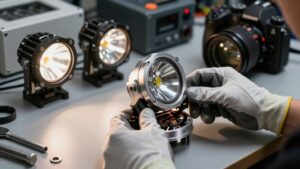
A rock-chipped lens can scatter light and dim your off-road beam, reducing usable output in dust, fog, or snow. Replace the cover to recover the beam pattern and output you bought the lamp for. Before ordering, check:
- Match clear or amber color and coating; added opacity can cut output.
- Use the original material and thickness, such as polycarbonate or glass, to limit internal reflections and glare.
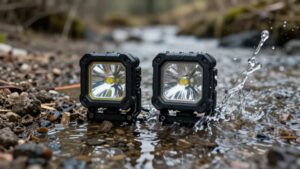
- Fit the correct gasket or O-ring, then confirm waterproof housing tolerances to keep spray, dust, and moisture out.
After installation, set the vehicle on level ground and check alignment, hotspot, and cutoff. A changed lens can shift the optics; correct the focus before driving so you don’t create glare or compromise visibility in poor conditions at night safely.
Amber’s Reduced Distance Reach
When the air is clear, amber off-road lights typically illuminate less distance than white LEDs designed for long-range output. Amber pods often use yellow or amber lenses whose added opacity reduces usable light output, limiting effective throw on dry, unobstructed trails.
White LEDs, commonly operating around 5000K–6000K, generally provide stronger forward range when airborne clutter is minimal. That advantage matters when a dusty route opens into a clear stretch: white can reach farther even if amber performs better through particles.
On mixed terrain, match your lights to the route: reserve white for clear stretches requiring maximum reach, and use amber where airborne particles limit visibility. Keep your speed low enough to stop within the distance you can see, and reassess as conditions change.
Eye Comfort Trade-Offs
In dust, fog, or snow, amber light scatters less, reducing reflected glare and eye strain during long drives. White light delivers brighter, crisper illumination on clear nights, but airborne particles can bounce more light back toward you.
Choose amber for comfort and contrast in poor visibility; choose white when conditions are clear and maximum brightness matters.
Reduced Glare and Fatigue
On foggy, snowy, or dusty trails, amber light’s longer wavelengths scatter less off airborne particles, reducing the bright-wall glare that can tire your eyes.
In fog or snow, amber’s yellow-orange beam can preserve contrast and object definition, so you spend less effort separating terrain features. White light can reflect more strongly from droplets and snow crystals, adding backscatter and visual strain.
- Choose amber in fog, snow, or dust to limit veiling glare.
- Keep your gaze moving and scan trail edges for hazards.
- Switch to white on clear stretches if you need its defined view.
Brightness Versus Comfort
White lights (typically 5000K–6000K) can look brighter on clear nights, but fog, snow, or dust can scatter more of their light back toward you and increase eye strain. Amber lights, typically 2700K–4000K, use longer wavelengths that reflect less from airborne moisture and dust. That can reduce the harsh, bright wall effect and help you maintain contrast without distracting flare. In poor visibility, lower perceived brightness may improve usable comfort and limit fatigue, even when the beam seems less intense.
Amber can feel less punchy in clear conditions, where white usually delivers stronger forward throw. Choose by conditions: run white on clear nights, then switch to amber for dust, fog, or snow. Before changing colors, slow down and leave stopping distance for visible terrain.
Highway vs Trail Driving
At highway speeds, white lights typically give you longer sight lines and clearer road recognition in clean air. On dusty or uneven trails, amber can reduce scatter and glare, helping you maintain usable contrast.
For mixed trips, use white on clear highway stretches and switch to amber when weather or airborne particles reduce visibility.
Highway Lighting Needs
When highway visibility is clear and you’re traveling at speed, white light—typically around 5000K–6000K—projects farther down the road, helping you spot hazards sooner. On a clear highway, that reach supports earlier decisions at speed. Aim and align lamps, and keep output legal to avoid dazzling oncoming drivers. Choose beam patterns that illuminate the lane without sending light above the cutoff.
If your route shifts into poor visibility, use the shorter wavelength strategically:
- White light reaches farther on clear, high-speed stretches.
- Amber’s longer 2700K–4000K wavelength reflects less from dust, fog, or snow, reducing glare and preserving contrast.
- Switch modes as conditions change, and dim or disable auxiliary lamps near traffic.
Match lighting to conditions; slow down when visibility or stopping distance worsens.
Trail Lighting Priorities
Highway lighting favors long-range visibility, but trail driving shifts the priority to spotting nearby rocks, ruts, and branches before you reach them. On higher-speed highways, white light around 4300K-6000K typically provides broad forward illumination and useful range when visibility is clear.
On a trail, maximum throw alone won’t keep you safe: you need a controlled beam that reveals obstacles close to your line, without harsh glare reflecting into your eyes or hiding detail in shadows.
If you encounter dust, fog, or falling snow, amber light around 2700K-4000K generally scatters less from airborne particles than typical 5000K-6000K white, reducing backscatter and helping you see farther through the obscuration. That advantage matters on dusty desert tracks and snow-covered routes, where particles can quickly wash out a bright white beam. Slow down when visibility drops, and aim lights to illuminate the terrain ahead without blinding other drivers on the trail.
Choosing for Both
For mixed highway and trail driving, use white (about 4300K–6000K) for forward range in clear air, then switch to amber (about 2700K–4000K) auxiliary lights for dusty or snowy stretches. Wire both colors on separate controls so you can adapt without stopping; white reaches farther when air is clean, while amber scatters less from particles and usually cuts glare.
Use this simple sequence:
- Use white on clear highways and trail sections.
- Switch on amber spots or floods when dust, fog, or light snow reduces contrast.
- Run both only when aimed and legally permitted; amber can soften the bright wall reflected by snow or moisture.
Mount amber auxiliaries near the A-pillars, but retain white as your forward light; don’t rely on amber alone for highway travel.
Verify Auxiliary-Light Regulations
Before installing amber or white off-road lights, check your local rules for permitted colors, beam patterns, mounting locations, and operating conditions. Don’t assume amber is always legal or white is always permitted; restrictions vary by jurisdiction and lamp type.
Confirm that your lights use an approved driving, spot, or flood pattern, and aim them so they don’t glare into oncoming drivers’ eyes or resemble unauthorized headlights. Check whether you need separate switches, when you may run the lamps with your headlights, and whether on-road use is allowed.
Verify placement and height limits before choosing bumper, roof, or A-pillar mounts. Finally, inspect the housings for relevant ECE, SAE, or local certification marks. These markings can help confirm testing, but check your region’s requirements; approval doesn’t guarantee legal use in every configuration.
Conclusion
Choose light color for the conditions you actually face: amber can reduce perceived glare in dust, fog, and snow, while white typically gives you more reach and natural color rendering on clear trails. A dual-color setup with one-touch switching offers useful flexibility, but confirm its connectors and controls fit your vehicle.
Aim and use auxiliary lights responsibly, and check local regulations before driving. On highways, switch to permitted lighting; prioritize visibility without dazzling other drivers or sacrificing safe stopping distance.