Amber Strobe Light Laws by State: Who Can Run Them and When
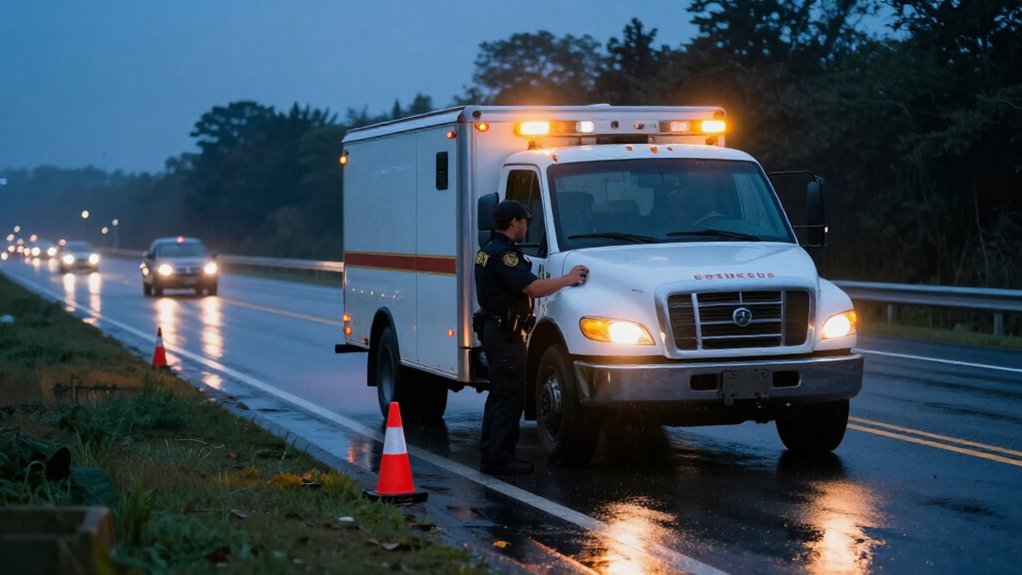
You can use amber strobes only when your state authorizes your vehicle and work or a hazard justifies them. Tow, recovery, construction, utility, and maintenance vehicles may qualify while assisting, working, or protecting traffic; routine travel generally doesn’t.
Rules differ for moving and parked vehicles: Ohio, for example, generally permits amber lights while parked but prohibits them in motion.
Mount lights visibly, follow distance requirements, and switch them off when the hazard ends.
Check local rules for more.
State Amber-Light Eligibility
Which vehicles may use amber strobes depends on state law and the hazard involved. In most states, you may use flashing amber only for a qualifying work-related warning when your vehicle creates or addresses a real roadway hazard, such as stopping near traffic, loading, towing, or clearing an obstruction; routine driving generally doesn’t qualify. Your state’s rules may also distinguish between a stopped vehicle and one in motion.
Ohio, for example, is commonly summarized as permitting amber lights while parked but prohibiting their use while moving. Arizona generally permits amber warning use for a hazard, while restricting front-facing red or blue lights to authorized emergency roles. Texas may require a service classification, and Virginia requires visibility from at least 500 feet under Code § 46.2-1025.
Permitted Amber-Light Vehicle Types
Permitted amber-light vehicle types typically include tow trucks, wreckers, recovery vehicles, and construction, utility, or maintenance vehicles, but only when their work creates a hazard or requires traffic protection. Your state may authorize amber lights on tow trucks while towing or assisting disabled vehicles; California limits freeway use to genuine hazards. Construction, utility, and service fleets generally qualify during active work or when you protect traffic.
| Vehicle type | Typical permitted condition |
|---|---|
| Tow / recovery | Towing, assisting, or creating a road hazard |
| Construction / utility | Active work or traffic protection |
| Maintenance | Work activity creates a hazard |
| Permit status | Check state-specific authorization |
Idaho limits use to vehicles posing traffic hazards; New Jersey requires tow-truck permits, while Georgia removed eligible-use permits effective July 1, 2024. Verify current rules.
Beacon Visibility and Mounting
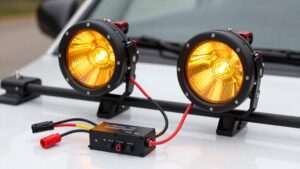
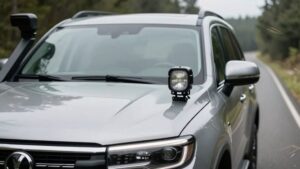
Mount amber beacons or strobe bars where they remain visible from the distances your state requires—often 500 feet in normal sunlight—and provide broad, sometimes 360-degree, coverage.
Place the unit high enough to clear the cab, bed rails, and equipment, and orient its lenses toward approaching traffic. A roof mount can reduce blind angles if it stays unobstructed from required viewing directions. Use the bar in its intended mounting orientation; don’t turn or shield it in a way that limits coverage.
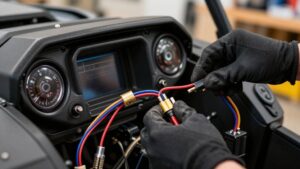
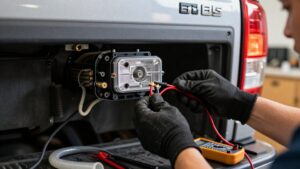
Secure brackets and wiring so vibration, loading, or suspension and body movement won’t shift the light out of position. Where specifications apply, choose a pure-amber SAE Class 1 configuration. Confirm visibility with the vehicle in its normal working setup, not just when it’s unloaded.
Roadside-Work Activation Triggers
You should activate amber strobes when you enter a work zone or set up a lane closure that creates a roadside hazard. Keep them on during active repairs or vehicle recovery when your vehicle presents danger or obstruction, and follow any state visibility rules.
Turn them off when you exit the work zone and no longer perform roadside work.
Work Zone Entry
When your vehicle enters roadside work, activate its amber strobe only when the work or its position creates a traffic hazard that the light is meant to warn drivers about. Your permit or vehicle classification doesn’t authorize flashing during ordinary travel; permission applies only while you perform the roadside task. Turn the light on when you tow, load or unload, plow, or stop near a travel lane in a way that presents an obstruction or danger.
State statutes may require the warning to be visible from about 500 feet in daylight, so follow the visibility rule that applies. If your vehicle isn’t working and creates no hazard, leave the strobe off. Don’t use it instead of hazard lights, or treat conspicuity alone as authority to flash.
Lane Closure Setup
For a lane closure, activate your amber strobe only while roadside work or your vehicle’s position creates a hazard for approaching traffic. Don’t use it during ordinary travel or when you’re no longer marking a hazard; enforcement may cite you even if amber is an authorized color. Position and aim the light bar so approaching drivers can see it clearly, without equipment or vehicle features blocking the warning.
Many states require warning lights to remain visible from 500 feet, so check the distance from the approach direction. Some tow and utility rules also require, or expressly reference, 360-degree visibility. If you stop near a travel lane, use the strobe to identify the closure or hazard. Deactivate it when the warning is no longer needed.
Active Roadside Repairs
Amber strobes are generally authorized when your vehicle is actively creating a roadside hazard, such as while you’re stopped and making repairs near traffic. Turn them on when you begin work in or near a travel lane, or otherwise expose approaching motorists to danger. Keep them on only while the hazard exists; switch them off when repairs end and your vehicle no longer presents a roadside risk.
State rules vary; check applicable local requirements carefully. Some require visibility from 500 feet in normal sunlight. Don’t run an amber bar during ordinary driving or private travel without active work or a hazard. Authorities may treat that display as unlawful signaling. Use the lights to warn of a current roadside condition, not as general-purpose auxiliary illumination.
Vehicle Recovery Operations
During a vehicle recovery operation, activate amber strobes only while loading, towing, or working near traffic creates a roadside hazard. You may use flashing amber as a warning signal when your truck is stopped near a travel lane or your recovery work exposes passing drivers to danger.
Keep the lights tied to that hazard; you can’t run an amber bar while cruising or use it for signaling. Check your state’s rules for authorized vehicle types and operating conditions, since some jurisdictions restrict amber lights to permitted tow or recovery vehicles.
Your equipment may also need mounting or authorization, such as 360-degree visibility or a state permit. Where required, ensure the warning light remains visible from 500 feet. Activate it only while the hazard exists.
Work Zone Exit
As you exit a work zone, keep amber strobes on only while you’re working at the roadside or your vehicle presents a traffic hazard. That trigger covers towing, loading, plowing, utility work, or stopping near a travel lane when you create a hazard. Turn the bar off once ordinary travel resumes and no hazard remains.
States limit amber use to authorized vehicle types or permitted operators; confirm you’re operating in a qualifying role. Some require signals visible from 500 feet under conditions, so position and maintain your bar accordingly.
Don’t use strobes simply because you’re leaving a work zone; states cite unneeded strobes without active roadside work or hazard. Activate them only for the authorized task or hazard, then deactivate them promptly when it ends.
State-Specific Statute Caveats
Because amber-light authority varies by state, don’t assume a vehicle may flash its lights simply because it performs utility, towing, or construction work.
Check local statutes for eligible vehicle types, required permits, and the conditions that activate warning-light authority. In most states, you may use amber strobes on qualifying service vehicles only while presenting a hazard; flashing them without an active hazard can trigger a citation.
Some laws limit use to a particular task: California requires tow-truck amber lights while towing or assisting, while New Jersey requires a state permit. Georgia eliminated its amber permit requirement on July 1, 2024, so outdated guidance may misstate your obligations.
Statutes can also distinguish parked from moving operation: Ohio allows amber lights when parked but prohibits them while moving. Confirm visibility rules, too; Virginia requires warning lights visible from at least 500 feet. Check the current code before each deployment.
School Bus Pre-Warning Signals
School-bus amber pre-warning signals follow rules that differ from those for service vehicles. In many states, you may use them only while loading or unloading children or warning of an approaching hazard. Amber or yellow identifies a non-emergency warning; red and blue remain reserved for police, fire, and EMS. Don’t assume a light bar permitted on a school bus is legal on your vehicle: some statutes authorize amber signals based on the vehicle’s school-bus status.
Your state may require visibility at about 500 feet under normal conditions. Check the statute for when you may activate the signals, which flashing pattern you must use, and whether you need a supplemental permit or must meet SAE-type amber-light requirements. Follow the conditions; permitted color alone doesn’t establish compliance.
Oversized Load Escort Convoys
When escorting an oversized load, use flashing amber lights only as your state’s rules allow—often while actively guiding traffic or presenting a roadside hazard, not simply while cruising. Check whether your state permits amber for your role, with or without a permit. If it limits lights to work or hazard conditions, activate them while flagging, stopped near a travel lane, loading or unloading, or directing traffic; switch them off during ordinary travel without a qualifying hazard.
Meet visibility rules, commonly requiring lights visible from 500 feet. Some states require an SAE-rated, pure-amber configuration, so verify equipment and pattern before departure. Use amber only; escort status doesn’t authorize emergency-reserved colors. Follow the statutory activation window, since permit conditions and escort duties vary by state.
Tow-Truck Amber-Light Misuse
Tow-truck amber lights signal active work or a traffic hazard, not routine driving. If you operate a tow truck, use strobes only within the work context your state authorizes; a light’s presence doesn’t authorize every trip.
- Activate amber warning lights while towing, assisting a disabled vehicle, loading or unloading, or performing other work that creates a traffic hazard.
- Don’t run them while cruising as though you’re a patrol vehicle; that misuse commonly prompts citations.
- In California, use required amber lights while towing or assisting, but activate them on freeways only for an actual hazard, not routine flashing.
- Florida permits flashing, oscillating, or rotating amber for tow, construction, and utility vehicles under §316.2397; match use to permitted work.
Check mounting and visibility rules before work.
Document Permit Exemptions
Permit exemptions usually depend on the work you’re performing, not simply on having an amber strobe installed. Your state may waive or modify a permit only while your vehicle performs a qualifying duty, such as towing, utility or construction work, or warning of a traffic hazard. Georgia, for example, removed its amber permit requirement effective July 1, 2024. Check the rule governing your vehicle and the specific use of the flashing light; authorization to install a lamp doesn’t necessarily authorize every activation.
- Confirm the exemption covers your vehicle category and operation for your exact situation.
- Keep records of permits, employer authorization, and qualifying duties.
- Activate amber lights only when the qualifying work or hazard exists.
- Follow visibility rules, including any required 500-foot standard.
Conclusion
Before you install or activate an amber strobe, confirm your state’s eligibility rules, vehicle categories, mounting and visibility standards, and operating conditions. Don’t assume a beacon for roadside work covers school buses, oversize-load escorts, or tow operations.
Check statutes, agency rules, and permit terms, including exemptions. Use the light only when your task requires it, and never treat amber as a grant of traffic-control authority. When rules differ, follow the stricter requirement.